Resources for Residential and Commercial Restoration
Featured Blog
Water Mitigation vs. Restoration: Key Differences and Why Both Matter
From burst pipes to severe weather, water damage is a serious threat that can cause extensive property damage and long-term health risks such as mold growth.
A leaky roof is among the most aggravating things a homeowner must deal with. What’s worse is that you may not even know your roof is leaking until you spot signs of water damage, such as stains on the ceiling or mold growing on the roof.
Yes! You can email me service reminders and other messages.
Rainbow Restoration, a Neighbourly Company on its own behalf and on behalf of and its affiliates and franchisees requests your consent to send promotional and other electronic messages to you concerning products and services they believe are of interest to you. By checking this box, you agree to receive these messages. You can unsubscribe at any time.
Text opt-in does not apply for Canadian residents.
\n\n
Ready to dive into our comprehensive data set to see how your city stacks up against the rest? We created this sortable data table to help you make informed investment and adaptation decisions for the future.
\n
Closing Thoughts
\n
Understanding U.S. cities' risks is crucial in making informed decisions and preparing for the future. As the impact of climate change is felt nationwide, it's essential to stay informed, prioritize safety measures, and support policies that protect our communities.
\n
When natural disasters, like floods and fires, strike, they can leave property owners frustrated and with a sense of urgency to get back up and running as soon as possible. At Rainbow Restoration, we’re here to ease some of that burden with a full suite of residential and commercial restoration services to help you get your business and property back on track so you can breathe easily.
\n
Methodology
\n
To find the most at-risk cities for property damage, we started with a list of the 100 most populated cities in the U.S. and ranked them from 1 to 100 based on flood, fire, heat, and wind risk factors from RiskFactor.com.
\n
We then assigned weights to each factor depending on how much they could affect property owners. Based on the weights, each city we analyzed was given a score out of 100. Using projections from RiskFactor.com, we were also able to find the cities that could see the most significant increases in property damage from flood and fire over the next 30 years.
\r\n"},
{
"custom_dt_modified":"2025-07-08T06:21:33Z",
"custom_s_local_url":"/blog/the-rainbow-restoration-guide-to-humidifiers",
"custom_s_opus_version":"2",
"custom_s_heading":"The Rainbow Restoration Guide to Humidifiers",
"custom_s_local_dba":"none",
"custom_dt_created":"2025-07-08T00:00:00Z",
"custom_s_category":"tips-and-hints",
"custom_ss_category":["tips-and-hints"],
"custom_s_article_summary_Image_url":"/us/en-us/rainbow-restoration/_assets/images/Blog/rbw-us-blog-the-rainbow-restoration-guide-to-humidifiers.webp",
"custom_t_content_summary_Desc":"Dry air causes many problems, so a growing number of homeowners are installing humidifiers to combat them. But what does a humidif",
"custom_t_content_summary_Image_url_alt":"Humidifiers Guide.",
"custom_t_heading":"The Rainbow Restoration Guide to Humidifiers",
"custom_t_content":"
\n
\n\n
\n
\n
Rainbow Restoration highlights the importance of humidifiers for maintaining healthy indoor air quality and preventing property damage.
\n
\n
Humidifiers help balance indoor humidity, reducing respiratory issues and static electricity.
\n
Proper humidity levels protect wood, furniture, and electronics from damage.
\n
Regular maintenance prevents mold and bacteria growth.
\n
Rainbow Restoration recommends monitoring humidity to avoid over-humidification.
\n
\n
\n
\n\n
\n \n
Dry air causes many problems, so a growing number of homeowners are installing humidifiers to combat them. But what does a humidifier even do, and do you need one? Let the experts at Rainbow Restoration® help answer all your questions.
\n
What is the Function of a Humidifier?
\n
The purpose of a humidifier is to add moisture to the air. This restores much-needed relative humidity to indoor air during the winter when cold temperatures cause the moisture level to drop.
\n
A humidifier can make your home healthier and more comfortable. Added moisture also keeps wood furniture and floors from cracking and helps your home feel warmer. It’s amazing the difference a little humidity can make!
\n
How Does a Humidifier Work?
\n
Different types of humidifiers operate in slightly different ways, but basically, a humidifier emits water vapor to increase the relative humidity level. The most common type, called an evaporative humidifier, includes a reservoir of cold water that dispenses into a basin. A wicking filter absorbs the water, and as a fan blows, the air passing through the filter picks up moisture.
\n
A whole-house evaporative humidifier works similarly, but since it’s installed in the ductwork, the air throughout your entire house receives added moisture. Water from your plumbing system flows down a metal mesh screen, and air traveling through the ductwork picks up moisture from this screen as it circulates your home. A humidistat allows you to set the humidity at the desired level. Typically 30 to 50 percent relative humidity is best.
\n
Do You Need a Humidifier?
\n
Even if your house is warm in the winter, it may still be uncomfortable if the humidity is low. Here are the top signs you could benefit from installing a humidifier:
\n
\n
Your skin, lips, and throat are dry: You constantly apply lotion and lip balm during the day and wake up each morning with a sore throat.
\n
You get shocked multiple times a day: Static electricity is much more pronounced when the air is dry.
\n
You can’t shake your cold: Bacteria and viruses that cause colds and the flu affect you more when your mucous membranes are dry due to low humidity, making it harder to bounce back from being sick.
\n
Your partner’s snoring keeps you awake: A dry throat increases the intensity of snoring sounds.
\n
\n
What is the Difference between a Humidifier and a Dehumidifier?
\n
Low humidity is prominent in the winter, but high humidity can be problematic in the summer. A dehumidifier serves the opposite purpose of a humidifier—that is, it reduces the moisture content in the air. Portable and whole-house versions are available to bring the relative humidity level below 50 percent in the summer.
\n
Do You Need a Dehumidifier?
\n
When you run the air conditioner, the unit not only cools your home—it also dehumidifies the air. But sometimes, this isn’t enough. Here are the top signs you could benefit from installing a dehumidifier:
\n
\n
You see mold growing in your home: Mold thrives in damp places, making your humid home a ripe breeding ground. Mold remediation can remove existing growth, but only reducing the humidity level will stop it from returning.
\n
You have severe indoor allergies: High humidity creates the ideal environment for dust mites, mold, and mildew, all of which can irritate your allergies.
\n
Your home feels clammy: It’s already cool, but because the humidity level is high, your skin feels sticky and uncomfortable, forcing you to run the air conditioner more, which raises your energy bills.
\n
\n
If you’re unsure whether you need a humidifier or dehumidifier, or you have questions regarding home restoration, please contact Rainbow Restoration®.
\n
To help meet all of your home service needs, check out Neighborly. Once on the site, click on \"Join the Community\" to find providers to service all your home needs.
\r\n"},
{
"custom_dt_modified":"2025-07-08T06:21:28Z",
"custom_s_local_url":"/blog/how-to-clean-a-smelly-drain",
"custom_s_opus_version":"2",
"custom_s_heading":"How to Clean a Smelly Drain",
"custom_s_local_dba":"none",
"custom_dt_created":"2025-07-08T00:00:00Z",
"custom_s_category":"plumbing",
"custom_ss_category":["plumbing"],
"custom_s_article_summary_Image_url":"/us/en-us/rainbow-restoration/_assets/images/rbw-blog-how-to-clean-a-smelly-drain.webp",
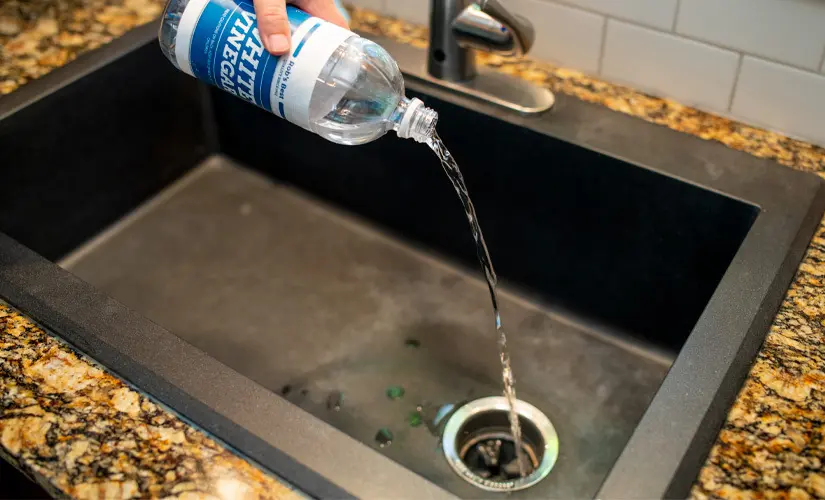
"custom_t_content_summary_Desc":"When your kitchen or bathroom drains stink, it can quickly make your home uncomfortable. If you’re fighting a smelly drain at home",
"custom_t_content_summary_Image_url_alt":"Need to know how to clean a smelly drain – fast? Rainbow Restoration is here to help you with simple DIY drain and garbage disposal cleaning solutions.",
"custom_t_heading":"How to Clean a Smelly Drain"},
{
"custom_dt_modified":"2025-07-08T06:20:57Z",
"custom_s_local_url":"/blog/smoke-and-lungs-an-unhealthy-mix",
"custom_s_opus_version":"2",
"custom_s_heading":"Smoke and Lungs: An Unhealthy Mix",
"custom_s_local_dba":"none",
"custom_dt_created":"2025-07-08T00:00:00Z",
"custom_s_category":"fire-safety",
"custom_ss_category":["fire-safety"],
"custom_s_article_summary_Image_url":"/us/en-us/_assets/images/rbw-blog-smoke-lungs-banner.webp",
"custom_t_content_summary_Desc":"Inhaling smoke is the number one cause of health injuries due to fires. More than 50 percent of fatalities from fire disasters are",
"custom_t_content_summary_Image_url_alt":"Smoke and Lungs: An Unhealthy Mix blog banner",
"custom_t_heading":"Smoke and Lungs: An Unhealthy Mix",
"custom_t_content":"
\n\n
\n
\n
According to Rainbow Restoration, smoke exposure poses serious health risks, particularly to lung health.
\n
\n
Inhalation of smoke can cause immediate and long-term respiratory issues.
\n
Vulnerable groups include children, the elderly, and those with pre-existing conditions.
\n
Proper cleanup and ventilation are essential after smoke damage.
\n
Rainbow Restoration offers professional smoke remediation services.
\n
\n
\n
\n\n
\n \n
Inhaling smoke is the number one cause of health injuries due to fires. More than 50 percent of fatalities from fire disasters are due to smoke inhalation instead of burns.
\n
The smoke from fires is composed of heated particles and gases from the objects inside the property being burned. Sources of fire smoke can range from burning structures, forests, brush, and crops to tires, plastics, wastes, fabrics, or wood. When the smoke containing the particles and gases from these items is inhaled into the body, it becomes very dangerous to your health, especially your lungs.
\n
Fire smoke is especially dangerous for certain people:
\n
\n
People with an existing heart or lung disease condition, including angina, congestive heart failure, emphysema or asthma
\n
Older adults
\n
Children
\n
\n
To recognize the signs of dangerous smoke inhalation, look for these symptoms:
\n
Shortness of breath
\n
Inhaling smoke can damage the respiratory tract making it difficult to inhale and breathe properly. This may decrease the amount of oxygen delivered to the blood or prohibit the body’s cells from properly using the oxygen due to the chemicals from smoke.
\n
Cough
\n
Irritation of the respiratory tract may cause the body to produce mucous which causes reflex coughing. The mucous coughed up can be black from the fire soot or clear depending on the particles inhaled from the fire smoke.
\n
Hoarseness
\n
The irritants in the smoke can irritate the vocal cords or cause swelling or constriction of the airways. The mucous collecting in the airway can also cause blockages that cause a gruff, scratchiness to your voice.
\n
Headaches
\n
Exposure to the carbon monoxide in fire smoke triggers headaches in most people. Carbon monoxide poisoning is serious and should be treated promptly. The common symptoms of carbon monoxide poisoning are headache, nausea, vomiting, or confusion.
\n
Eye, Nose and Skin Irritation
\n
Smoke irritates the eyes and causes them to turn red or become irritated. In some cases, the heat and smoke from the fire can result in burns to the cornea. The nostrils and nasal passages may swell or have black soot in them depending on the amount of smoke inhaled. Skin color may also change to red or bluish color after exposure to fire smoke.
\n
Mental confusion
\n
Lower levels of oxygen to the brain can often result in times of confusion or fainting. In serious cases, it can also trigger seizures and other potential complications.
\n
Aggravated existing health conditions
\n
Smoke inhalation can aggravate preexisting health conditions such as heart disease, asthma, or lung disease. Studies show that some people without existing lung conditions who are exposed to heavy smoke may have temporary changes in lung function, causing difficulty in breathing.
\n
To help prevent the amount of smoke inhaled during a fire, consider these helpful tips:
\n
\n
Escape the burning structure as safely and quickly as possible. Fire spreads quickly so you have a matter of seconds to make your escape. Have a fire escape planned beforehand so you and everyone in the building knows what to do.
\n
Lower to the ground inside a burning structure and crawl to escape the fire. Smoke and gases collect near the ceiling first so staying low underneath the majority of the smoke can help.
\n
Grab a towel, shirt, wet rag, or mask if possible to filter the air you are breathing. If you don’t have something to filter the air, cover your mouth and nose as you walk through smoky areas.
\n
If you see smoke coming in around a door, leave it closed and use a second escape route if possible.
\n
Pay attention to our local air quality reports if there is a fire in your area. Listen to any warnings and advisories to stay indoors if high levels are smoke are present. Avoid opening windows and doors as much as possible and filter your inside air.
\n
\n
If you have been exposed to smoke inhalation:
\n
First, remove yourself and others from the scene of the fire to avoid further smoke inhalation. Then, watch for the signs and symptoms of smoke inhalation effects. Hoarse voice, trouble breathing, excessive coughing, and mental confusion are all signs you need to seek medical attention. It’s much better to be checked out by a medical professional than to risk the smoke inhalation effects worsening. Call for immediate help if someone needs it.
\n
When a fire disaster invades your home, your property, your belongings, and your family, you want to know that everything will be okay. The professionals at Rainbow Restoration® understand what property owners are going through, and are there to help professional, reliable fire and smoke restoration services when you need it most.
\r\n"},
{
"custom_dt_modified":"2025-07-08T06:20:10Z",
"custom_s_local_url":"/blog/what-is-a-floodplain",
"custom_s_opus_version":"2",
"custom_s_heading":"What Is a Floodplain?",
"custom_s_local_dba":"none",
"custom_dt_created":"2025-07-08T00:00:00Z",
"custom_s_category":"seasonal",
"custom_ss_category":["seasonal"],
"custom_s_article_summary_Image_url":"/us/en-us/_assets/images/rbw-blog-what-is-a-floodplain.webp",
"custom_t_content_summary_Desc":"Is it risky to live on a floodplain? (Possibly!) What should you do if you do? (Buy flood insurance and more.) How were floodplain",
"custom_t_content_summary_Image_url_alt":"A floodplain is a low-lying area where a waterway may overflow. Learn about floodplain zones and the difference between a floodway and a floodplain.",
"custom_t_heading":"What Is a Floodplain?",
"custom_t_content":"
\n\n
\n
\n
According to Rainbow Restoration, a floodplain is a low-lying area adjacent to a river or stream, prone to flooding during heavy rainfall or snowmelt.
\n
\n
Floodplains help absorb excess water, reducing flood risk.
\n
They support diverse ecosystems and wildlife habitats.
\n
Development in floodplains increases property damage risk.
\n
Proper management protects communities and the environment.
\n
\n
\n
\n\n
\n \n
Is it risky to live on a floodplain? (Possibly!) What should you do if you do? (Buy flood insurance and more.) How were floodplains created? What benefits do they offer to the natural world and its inhabitants? If you have questions about floodplains, you’ll find your answers here.
\n
Whether you live on or near a floodplain, are planning to move near one, or just want to learn more, keep reading for the details about this natural landscape.
\n
A Floodplain Defined
\n
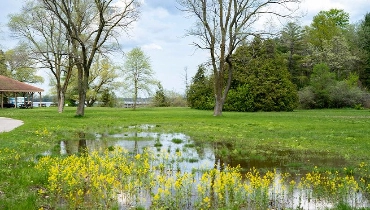
A floodplain is a naturally occurring, low-lying area surrounding a waterway that regularly overflows. Weather patterns and shifting waterways over hundreds or thousands of years create natural floodplains. Water flows through the floodplain, which allows the sediment to settle, forming piles along the sides, known as levees. As a result, the floodplain features a flat area, or streambed, with steep edges on the perimeter, also known as stream banks.
\n
Depending on the location, a floodplain can be a minor component of a landscape or the primary feature. Some are so small they may not show up on a map, while others are very large, like those that surround the Mississippi River.
\n
Floodplains offer myriad benefits to the natural world and humans, including:
\n
\n
Flood protection
\n
Enhanced water quality (floodplains act as natural water filters)
The floodway – The channel of the watercourse and adjacent land that fills with flowing water during a flood event.
\n
The 1% (100-year) floodplain – The land covered in floodwater during a flood event that has only a 1% chance of happening each year, or a 26% chance over a span of 30 years. This is considered a high-risk floodplain zone.
\n
The .02 percent (500-year) floodplain – The land covered in floodwater during an event that has a 0.2% chance of happening each year, or a 6% chance over a span of 30 years. This is considered a moderate-to-low-risk floodplain zone.
\n\n
Floodplain vs. Floodway: What’s the Difference?
\n
The terms floodplain and floodway sound similar, but they have different designations and purposes. A floodway lies within the floodplain boundary and must be completely clear of buildings and structures to allow the floodwaters to pass during a flood event. Buildings in a floodway could alter the flood watercourse, increasing flood risk to surrounding areas. On the other hand, FEMA allows certain buildings and structures to be erected in specific parts of a floodplain, including the areas designated as the 1% and 2% floodplains.
\n
Risks of Owning a Home or Business in a Floodplain Zone
\n
Floodplain zones help builders and homeowners determine the level of risk associated with building in or inhabiting areas near a waterway (lake, river, stream, creek). Insurance agents use flood maps to identify the zones, which guide them in determining flood insurance requirements and coverage costs.
\n
You can experience a devastating flood event, even if you live in a low-risk zone. The National Flood Insurance Program (NFIP) states that more than 20% of claims come from areas outside of high-risk flood zones, including homes that would be affected by a dam failure that may be miles and miles away. Whether you live in a high- or low-risk floodplain zone, purchasing flood insurance is crucial to protect against financial losses resulting from floods, even if not required. Even a couple of inches of water can lead to several thousand or tens of thousands of dollars of damage.
\n
If you choose to live in a floodplain zone, there are some important considerations to make:
\n
\n
Purchase appropriate flood insurance (even if you aren’t required to by law).
\n
Use flood-resistant building materials in the home, such as laying tile instead of carpet, especially in the basement.
\n
Install flood vents, which allow the waters to flow through the vents and drain out.
\n
Elevate your property so the lowest floor is higher than the flood elevation level as identified on the flood map.
\n
Store belongings that would be adversely affected by water in a high location or a waterproof box to keep them safe from floodwaters.
\n
Have a plan in place for water damage restoration that you can utilize immediately following a flood event. Addressing water damage right away (within 24-48 hours) minimizes damage and avoids common post-flood problems like mold growth.
\n
\n
Choose Rainbow for Water Damage Restoration in a Floodplain Zone
\n
If you experience a damaging flood event in a floodplain zone, your local Rainbow Restoration is ready to help. As IICRC-certified water damage restoration professionals, our experienced technicians provide remediation and restoration services to get your home or business back to its pre-loss condition. Call now for 24/7 emergency service or request an appointment online.
\n
If you close your business after a flood or other natural disaster, there are steps to take before re-opening, like flushing water lines. Learn how to flush your water lines from our friends at Mr. Rooter® Plumbing. Mr. Rooter is a fellow member of the Neighborly® family of trusted home service brands.
.webp)
-(1).webp)